Staff-level support systems for high-growth SaaS

Support breaking at scale?
I design the systems that fix it.

I design escalation governance, CRM architecture, routing logic, and support analytics that reduce unnecessary escalations, improve decision quality, and protect engineering time.

Senior individual contributor operating at the intersection of Support, Product, and Engineering.

Enterprise experience Adobe and Tipalti
Selected outcomes 93% CSAT and 22% efficiency improvement

Where I Add Leverage

Best suited for teams whose support complexity is outgrowing current systems.

  • Engineering is pulled into avoidable escalations
  • Severity definitions vary by team or manager
  • Zendesk or Salesforce exists but is not fully trusted
  • Dashboards exist but are not driving decisions
  • Support is blamed for product gaps without shared frameworks

10+ Years

Support Operations experience across enterprise and high-growth SaaS environments.

Zendesk Certified

Deep hands-on experience in administration, workflow design, analytics, and self-service systems.

Systems + Execution

Comfortable moving from operating models and architecture to implementation details and reporting.

Cross-Functional

Designed frameworks that align Support, Product, Engineering, and Operations.

I add the most leverage when support is growing faster than the systems behind it.

I work best in environments with real customer complexity, rising operational pressure, and a need for stronger support infrastructure without unnecessary bureaucracy.

Escalation chaos

Engineering is getting pulled into issues too early, too often, or without shared severity criteria.

Tooling without trust

Zendesk or Salesforce is live, but workflows do not reflect reality and confidence in the system is low.

Reporting without decisions

Leaders have dashboards, but not the visibility needed to manage backlog risk, escalation patterns, or accountability.

Support blamed for product gaps

There is no shared framework for translating customer pain into prioritization, routing, and feedback loops.

I do not just improve workflows. I design the operating systems behind scalable support.

My strongest work lives where Support, Product, Engineering, and Operations need clearer structure, stronger governance, and systems that can be trusted as the company grows.

Escalation Governance

Build clear severity models, escalation criteria, and RCA frameworks that reduce ambiguity and protect engineering bandwidth.

  • Severity design and standardization
  • Objective escalation thresholds
  • SLA and customer impact alignment
  • RCA workflows and recurrence tracking
  • Policy-to-workflow implementation

CRM and Workflow Architecture

Design Zendesk and Salesforce systems that reflect how teams actually work, not just how the tool ships.

  • Routing logic and automation strategy
  • Form and field architecture
  • Queue and escalation design
  • Cross-functional workflow integration
  • Documentation and release governance

Support Analytics and Observability

Turn support data into decision-making infrastructure leaders can use to prioritize action and measure operational health.

  • Executive dashboards
  • KPI alignment across teams
  • Escalation trend visibility
  • Backlog and capacity reporting
  • Product and Engineering feedback loops

AI-Ready Support Foundations

Prepare support organizations for AI-first operations with better knowledge architecture, safe handoffs, and stronger governance.

  • Knowledge architecture for containment
  • Automation readiness
  • AI-to-human escalation logic
  • Governance and quality guardrails
  • Deflection and containment measurement

I focus on systems that improve decision quality, reduce avoidable escalations, and make support organizations more scalable.

I focus on immediate clarity first, then durable systems.

The goal is not just to diagnose what is wrong. It is to create early momentum, reduce obvious pain, and leave behind infrastructure that scales.

First 30 Days

  • Audit escalation paths and severity definitions
  • Identify where engineering time is being wasted
  • Map actual workflows against intended workflows
  • Surface reporting gaps and tool trust issues
  • Recommend quick wins and structural fixes

Next 60 to 90 Days

  • Redesign escalation frameworks where needed
  • Improve routing, automation, and case handling logic
  • Establish Support to Product and Engineering operating rhythms
  • Create dashboards leaders can actually use
  • Build systems that scale without depending on heroics

A support organization is a system. I make that system clearer, faster, and more trustworthy.

I work best where symptoms are showing up everywhere, but the root issues live in governance, tooling, prioritization, or cross-functional friction.

Example Support Operating Flow

This is the level I aim to operate at: not just improving one queue or one form, but strengthening the full decision path from intake to escalation to learning.

1
Customer issue enters Support Intake through Zendesk, Guide, forms, or direct case creation.
2
Routing and triage logic applies Correct queue, ownership path, urgency, and workflow handling.
3
Severity framework creates shared decisions Support and Engineering align on objective escalation criteria.
4
Cross-functional escalation occurs only when needed Engineering bandwidth is protected and signal quality improves.
5
RCA, reporting, and feedback loops close the loop Incidents teach the system, not just the person handling the ticket.

Support Systems Designed for Scale

Experience designing systems across enterprise SaaS, fintech, and high-volume support environments, including Adobe and Tipalti.

I focus on systems that improve decision quality, reduce avoidable escalations, and make support organizations more scalable.

Additional Systems

Redesigning Email Intake into Structured Case Updates

High-volume B2C Platform

Outcome

Improved intake data quality and reduced resolution time by converting unstructured email submissions into structured updates tied to the original case.

Designed

  • Hidden Zendesk form not visible in standard UI
  • Dynamic autoresponder link tied to original case
  • Automatic ticket ID population
  • Structured intake without added user friction

Reducing Duplicate Tickets with Automated Case Consolidation

Enterprise SaaS Platform

Outcome

Reduced backlog and improved resolution speed by consolidating multiple tickets into a single source of truth per issue.

Designed

  • Email-based case matching
  • API-based field mapping across tickets
  • Internal note aggregation
  • Conditional merge logic

Building Support Observability with Agent Performance Systems

Enterprise Support Organization

Outcome

Enabled data-driven decision making by providing visibility into performance, backlog health, and defect patterns.

Designed

  • First reply and resolution time tracking
  • Backlog segmentation
  • Agent productivity metrics
  • Defect tracking and categorization

Systems That Scale Support Operations

I am strongest in environments that need a high-leverage operator who can connect support pain, tooling decisions, and business priorities without getting lost in theory.

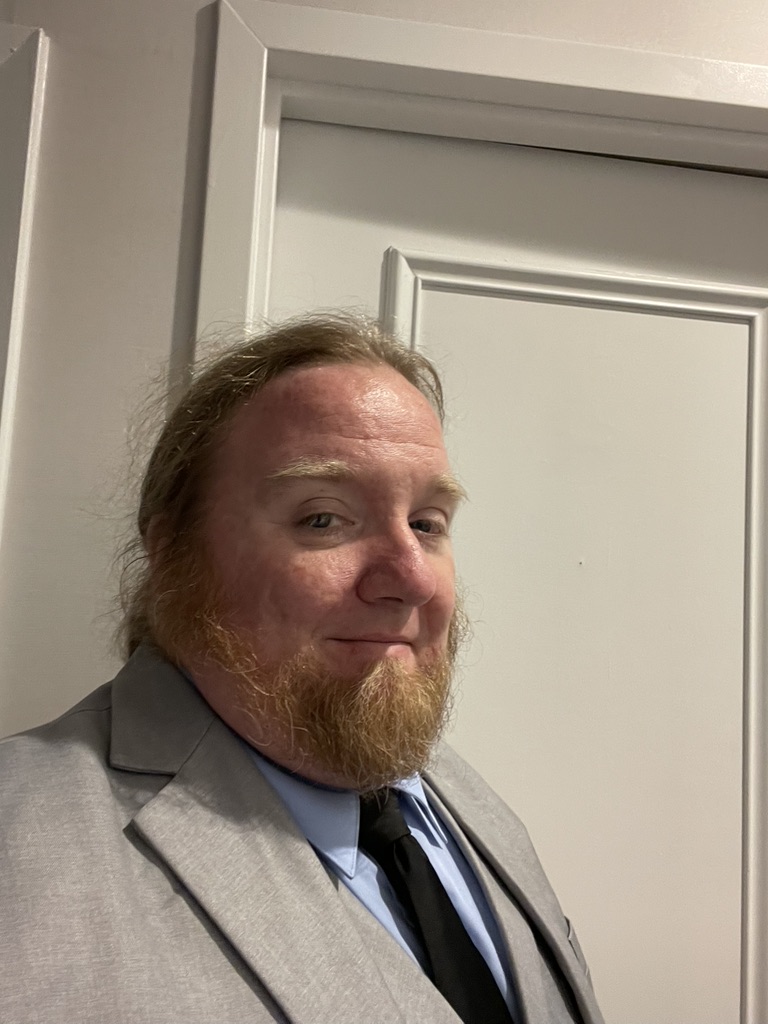
Jonathan J. Scott

Systems-minded operator with deep support infrastructure experience

I design and operate support infrastructure inside enterprise SaaS environments — escalation systems, analytics, CRM architecture, and cross-functional workflows at scale.

My operating model is simple: observe reality, align stakeholders, embed systems, and measure outcomes. I focus on systems that improve decision quality, reduce avoidable escalations, and make support organizations more scalable.

Staff-level IC mindset Zendesk-certified Support + Product + Engineering Analytics + workflow architecture

Operator First

I have spent years inside real support environments, not just advising from the outside. I understand the friction because I have worked inside it.

Systems-Minded

I focus on repeatable infrastructure, not one-off fixes. The goal is to improve the system, not just the ticket.

Technical Enough to Implement

From Zendesk administration and analytics to JavaScript customization and workflow logic, I can translate strategy into execution.

Cross-Functional by Default

I work comfortably across Support, Product, Engineering, and Operations to create frameworks all sides can actually use.

Outcome-Driven

I care about measurable impact: clearer prioritization, healthier escalations, better reporting, and less wasted engineering time.

Built for Staff-Level Leverage

My strongest work lives in identifying the system behind the symptoms and creating structure without slowing the business down.

What People Say About Working With Me

“Jonathan’s ability to solve complex business issues by creatively utilizing technology was very impressive. He could cut through clutter, identify the root cause, and deliver thoughtful solutions.”

Rob Tapia

VP of Operations

“He brings a creativity to problem solving that I do not see enough of. He is patient with clients, strong in execution, and constantly sharpening his skills.”

Rob Fife

CEO / CTO

“Jonathan developed reports using both JIRA and Zendesk that met complex requirements. He was responsive, insightful, and a quick learner. I highly recommend his system administration and reporting skills.”

Charlene Land

Developer Tools Support Engineer, Adobe

I am strongest in roles where support complexity needs real systems ownership.

This positioning works especially well for high-growth SaaS teams that are too complex for basic administration, but not yet mature enough to have fully trusted support infrastructure.

Best-Fit Titles

  • Staff Support Operations
  • Senior Support Systems Engineer
  • Support Operations Lead
  • Senior Zendesk Administrator
  • Support Infrastructure Engineer

Best-Fit Environments

  • High-growth SaaS teams
  • Multi-product support environments
  • Enterprise and SMB support complexity
  • Cross-functional escalation pressure
  • Tooling maturity gaps

Best-Fit Engagement Models

  • Staff-level full-time roles
  • Strategic advisory engagements
  • Support systems assessments
  • Escalation framework redesign
  • CRM and reporting architecture projects

When support complexity increases, stronger systems matter.

If you’re hiring for a Staff-level Support Operations role or exploring targeted advisory support, I’d be glad to talk through the challenges your team is facing and where I could add leverage.